AI Video Generation Heats Up: Midjourney V1 Launches, YouTube Integrates Veo 3

The AI landscape continues its rapid evolution, and today’s focus is squarely on video generation. Two major players, Midjourney and Google, have made significant announcements, signaling a new wave of accessible and powerful AI video tools.
First up, Midjourney launched its first AI video generation model, V1. Known for its impressive AI image generation capabilities, Midjourney’s move into video is highly anticipated. V1 is an image-to-video model. This means that users can generate videos from image prompts.
AI Gets an Upgrade: Gemini 2.5 and Firefly on the Move
Today in AI, we’re seeing a significant push from major players to get their tech into the hands of more users. Google is refining its Gemini models, and Adobe is making Firefly more accessible than ever. Let’s dive into what these developments mean.
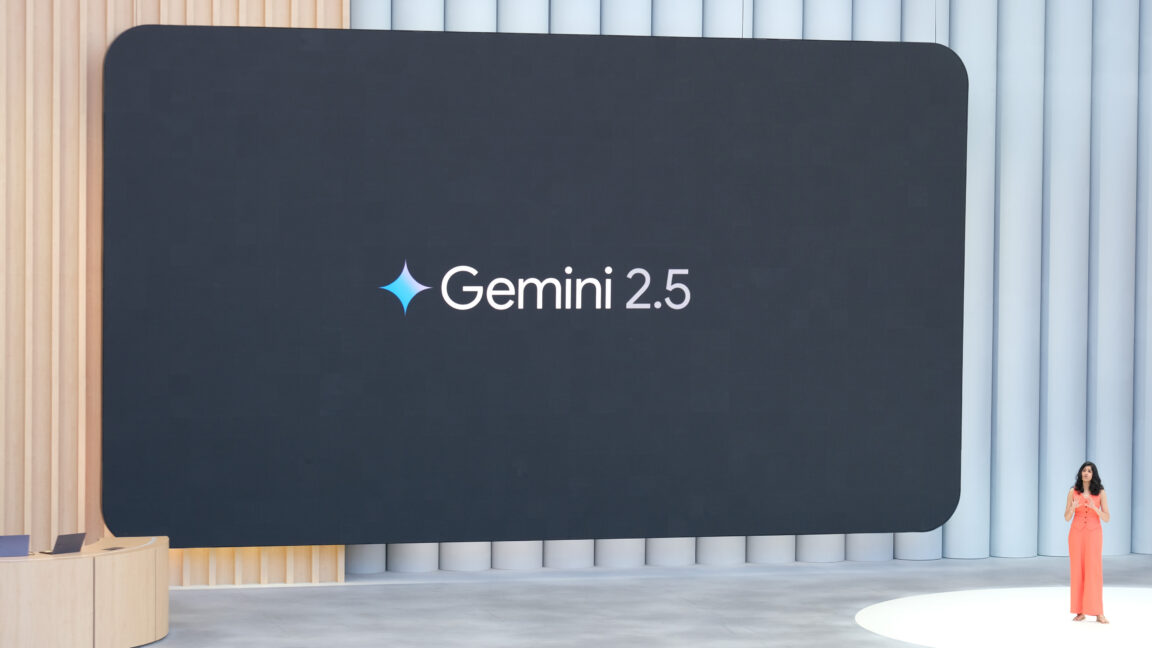
First up, Google’s Gemini AI family is getting a significant update. The company has announced that Gemini 2.5 Pro is now stable and ready for developers to build upon. This is a big step, signaling that Google is confident in the model’s performance and reliability. Alongside the Pro version, they’re also rolling out Gemini 2.5 Flash-Lite, which is designed for efficiency. This could open doors for AI applications on devices with limited resources, broadening the reach of AI technology.
AI Under Scrutiny: Instagram Bans, Google's Audio Overviews, and Apple's AI Warning

The AI world is buzzing today with a mix of concerns and advancements. From potential overreach in content moderation to new ways to consume search results, and even a cautionary word from Apple, it’s clear that AI is both rapidly evolving and facing increasing scrutiny.
First up, TechCrunch reports that Instagram users are complaining about a wave of mistaken bans and suspensions, with many suspecting an overzealous AI is to blame. While there’s no direct evidence, the timing suggests that changes to Instagram’s content moderation algorithms might be the culprit. This raises serious questions about the fairness and accuracy of AI-driven systems in policing online platforms and the potential for collateral damage to legitimate users.
AI is Personalizing Your Spotify Playlists and Revealing Password Vulnerabilities
Today in AI, we’re seeing the technology continue to weave itself into our everyday experiences, from how we listen to music to how we protect our online identities. Let’s dive into the details.

First up, Android Police reports on Spotify’s AI Playlist feature, which is described as a “fantastic discovery tool”. This feature uses AI to generate personalized playlists based on user preferences. This shows AI’s potential to enhance user experience and discovery in the music streaming space. It’s a great example of how AI can learn our tastes and introduce us to music we might not have found on our own.
AI is Watching and Thinking: The Latest Developments
Today’s AI news is a mixed bag, ranging from enhanced functionality in everyday tools to debates about the very nature of AI reasoning. It’s a reminder that AI is not only becoming more integrated into our lives but also that our understanding of its capabilities is constantly evolving.

First up, Microsoft is pushing further into making AI a constant presence with the rollout of Copilot Vision. This feature allows Copilot to analyze what’s on your screen and offer assistance, raising both excitement and concern about the extent of AI monitoring in our daily workflows.
AI's Privacy Paradox, Logic Gaps, and Corporate Power Plays: Today's AI Landscape
Today, the AI world feels like a mixed bag of thrilling advancements, concerning privacy issues, and a healthy dose of corporate maneuvering. From AI-generated NBA commercials to vulnerabilities in Microsoft’s Copilot and even a surprising defeat in chess, here’s a look at what’s been happening in the world of AI.

One of the more concerning stories comes from The Washington Post, detailing how some users of Meta AI are unwittingly making their private conversations public. People are sharing deeply personal queries and dialogues with the chatbot, seemingly unaware that these interactions are being posted for the world to see. This raises significant questions about user awareness, data privacy, and the ethical responsibilities of companies deploying these powerful AI tools. As AI becomes more integrated into our lives, ensuring users understand the boundaries of privacy is paramount. Meta AI users confide on sex, God and Trump. Some don’t know it’s public. - The Washington Post
AI in the Headlines: Apple's Siri Delay, Microsoft's Copilot Vision, and More
Today’s AI news is a mix of anticipated updates, surprising applications, and cautionary tales. From Apple’s ongoing efforts to revamp Siri, to Microsoft’s new screen-reading Copilot feature, and even AI-generated ads during the NBA Finals, here’s a look at what’s happening in the world of artificial intelligence.

First up, Bloomberg reports that Apple is now targeting Spring 2026 for a major AI upgrade to Siri. This marks a significant milestone in the company’s AI turnaround efforts, after previous delays. Meanwhile, TechCrunch summarized Apple’s AI announcements from WWDC 2025, including features like a workout coach and live translation. While last year’s keynote heavily emphasized “Apple Intelligence,” this year saw a more subdued approach, focusing on integrating AI into operating system updates. It seems Apple is playing the long game, carefully integrating AI rather than making bombastic claims.
AI Reasoning Under Scrutiny and Meta Adds Video Editing: Today's AI Highlights
The AI world continues its rapid evolution, with today’s news highlighting both the advancements and the ongoing debates surrounding the technology. From Apple’s research questioning AI reasoning to Meta enhancing its AI with video editing capabilities, here’s a look at the most important AI stories of the day.

A new study from Apple is making waves by questioning whether AI models truly “reason” through problems. The research, covered by Ars Technica, uses puzzle-based experiments to reveal limitations in simulated reasoning. While the findings are disputed by some, the study raises important questions about the depth and reliability of AI’s cognitive abilities. It’s a reminder that while AI can solve complex problems, the underlying processes may not always mirror human reasoning.
AI Siri Delay and Google's AI Photo Editing: AI News, June 10, 2025
Today’s AI news is a mix of one company facing AI challenges and another pushing forward with AI-powered features. Apple confirms a delay in its AI Siri upgrade, while Google rolls out AI-powered edit suggestions for Google Photos. Let’s dive in.

Apple’s SVP of software, Craig Federighi, admitted at WWDC 2025 that their initial attempt at an AI-enhanced Siri wasn’t up to par. According to The Verge, the company decided to delay the release, emphasizing that it “just doesn’t work reliably enough to be an Apple product.” This is a notable admission, highlighting the challenges even tech giants face when trying to integrate AI into existing products. It seems Apple is prioritizing reliability and user experience over being first to market.
Apple's AI Moves: Siri Gets Smarter, Stock Wobbles, and Your Watch Gets a Workout Buddy

Today’s tech news centered heavily on Apple’s WWDC announcements, and beneath the surface of new operating systems and design tweaks, AI played a starring role—for better or worse. While Apple unveiled some intriguing AI integrations, the market’s initial reaction suggests there’s still work to be done to convince investors they’re keeping pace in the AI race.