Siri's Stumbles and ChatGPT's Strides: AI News Today
Today’s AI news highlights both the challenges and the unexpected applications of artificial intelligence. While one tech giant faces criticism for its AI assistant’s shortcomings, others are finding creative ways to integrate AI into everyday workflows.

First up, Gizmodo reports on the persistent issues plaguing Apple’s Siri. With WWDC 2025 on the horizon, hopes are dim that Apple will significantly improve its AI assistant, which has struggled to keep pace with competitors. The article points to a broader problem of Apple seemingly lagging in the AI race, a concern that could impact its future competitiveness.
Gemini Gets Smarter, Google Searches Live: AI News for June 6, 2025
Today’s AI news is dominated by Google, with updates to both its Gemini model and Search platform. We’re seeing AI push further into practical, everyday tasks, from coding to search, but also facing questions about the pace and direction of its development.

First up, TechCrunch reports that Google has updated its Gemini 2.5 Pro preview model, claiming it’s now even better at coding tasks. This “updated preview” builds upon the previous upgrade from about a month ago, suggesting Google is rapidly iterating on its AI models. While the specifics of the improvements are still emerging, any progress in AI’s ability to assist with or even generate code has potentially huge implications for software development and beyond.
Google's Gemini 2.5 Pro Gets a Coding Upgrade
Today in AI, Google announced an update to its Gemini 2.5 Pro model. According to the tech giant, this updated preview is now even better at handling certain programming tasks, building upon the upgrades announced just a month ago.
The specifics of the improvements are still somewhat vague, but the focus on coding capabilities suggests that Google is aiming to make Gemini a more valuable tool for developers. As AI models become increasingly adept at understanding and generating code, they have the potential to revolutionize software development, automate tedious tasks, and even help create entirely new types of applications. This move could position Gemini as a key player in the evolving landscape of AI-assisted coding, potentially impacting how software is built in the years to come.
AI Bots Go Head-to-Head: The Washington Post Puts Them to the Test

Today’s AI news focuses on a real-world evaluation of AI capabilities. Can AI bots truly understand and analyze complex information? The Washington Post decided to find out, pitting several AI helpers against a series of challenging reading comprehension tasks. The results were intriguing, revealing both impressive feats and some surprisingly “dumb” moments.
In a recent article, The Washington Post detailed how they challenged AI bots to decode legal contracts, simplify medical research, speed-read a novel, and even make sense of Trump speeches. The goal was to see how well these AI tools could summarize, analyze, and understand nuanced information. While some of the AI analysis was impressive, it wasn’t a clean sweep. Some bots struggled with tasks that humans might find relatively straightforward, demonstrating that AI still has limitations in truly understanding context and meaning. The article highlights that while AI is rapidly advancing, it’s not yet a perfect substitute for human intelligence in all areas.
AI Takes Center Stage: Google's NotebookLM Updates and the Future of Search
Today, the AI world buzzes with practical applications and strategic shifts. Google’s NotebookLM gets a major update, while the SEO landscape braces for an AI-driven overhaul. Let’s dive into the details.

First up, Google’s NotebookLM is now letting users share their AI-powered notebooks via public links. This update allows others to view, interact with AI audio overviews, ask questions, and read FAQs within the notebook, though they can’t edit the content. This is a significant step toward collaborative AI-driven learning and knowledge sharing, making AI more accessible for group projects, educational purposes, or even just sharing personal research.
AI Powers Up: OpenAI Eyes Siri, Bing Gets Sora, and AI Hiring Heats Up
Today in AI, we’re seeing a flurry of activity that touches everything from personal assistants to video generation and even the job market itself. OpenAI is reportedly setting its sights on challenging Siri, Microsoft is making Sora’s video generation tech freely available, and the use of AI in hiring is becoming a key area of competition.

First up, court documents reveal that OpenAI has ambitions to take on Apple’s Siri with its ChatGPT technology. According to 9to5Mac, the unsealed documents outline OpenAI’s plans to integrate ChatGPT more deeply into the iPhone experience, potentially offering a more advanced and versatile AI assistant. This move could significantly shake up the personal assistant landscape and put pressure on Apple to innovate further.
AI in the Headlines: Samsung's Perplexity Play, OpenAI's "Super Assistant," and More
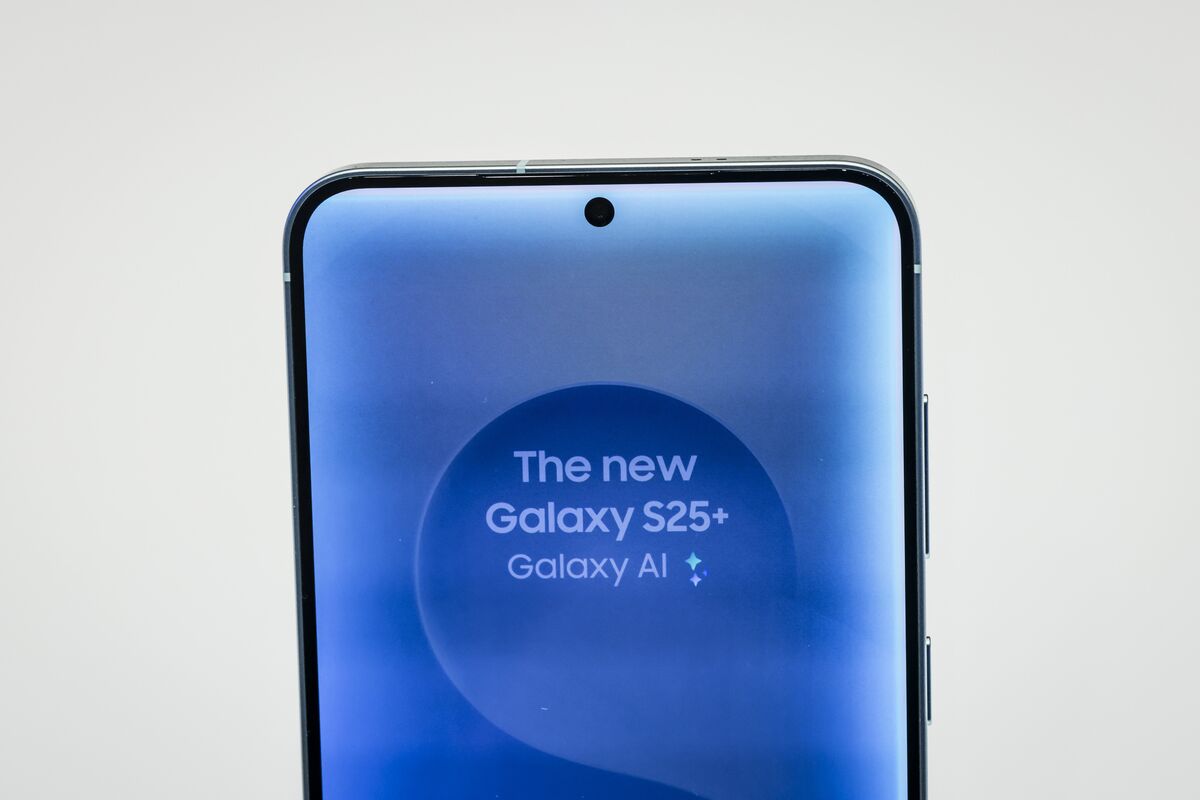
Today’s AI news paints a picture of both consolidation and continued innovation. From Samsung’s potential partnership with Perplexity AI to OpenAI’s vision for a “super assistant,” and Google’s experimental offline AI app, it’s clear that AI is becoming more integrated into our devices and lives.
First up, Bloomberg reports that Samsung is nearing a deal to invest in Perplexity AI and integrate its search technology into Samsung devices. This move signals a growing trend of tech giants partnering with AI startups to enhance their existing products and services. Perplexity AI, known for its conversational search engine, could give Samsung devices a significant AI boost, potentially challenging Google’s dominance in the search space on mobile.
AI's Ambitions and Integrations: A Day of Chatbots and Email Summaries
Today’s AI news is dominated by Google and OpenAI, who both seem to be pushing their AI assistants further into our daily lives. From grand ambitions to email inboxes, AI is becoming increasingly integrated, whether we fully opt-in or not.

First up, The Verge reports on an internal strategy document at OpenAI, revealing their goal to make ChatGPT a “super assistant” that serves as “your interface to the internet.” This is a bold vision, suggesting that OpenAI sees ChatGPT becoming much more than a chatbot—it’s aiming to be a central hub for how we interact with the digital world. This raises questions about the future of web browsing and how we consume information, if AI becomes our primary filter.
AI's Expanding Horizons: From Search Snafus to Spreadsheet Sorcery
The AI world never sleeps, and today’s headlines offer a glimpse into its chaotic dynamism. From Google’s ongoing struggles with AI-generated search results to Perplexity’s ambitious new tools, and Google’s new mesmerizing AI videos, it’s clear that the promises and pitfalls of AI are becoming increasingly intertwined.
First up, Wired reports that Google’s AI Overviews still thinks it’s 2024. This isn’t just a funny quirk; it highlights the very real challenges of ensuring AI models are up-to-date and contextually aware. It underscores the fact that even the biggest tech companies are still grappling with the reliability of their AI systems. As Vox puts it in their article “What is Google even for anymore?,” companies like OpenAI and Perplexity are an “existential threat” to Google, pushing them to change how search works, but these changes are not without their own set of problems.
AI Everywhere: From Google Photos to Agentic Browsers

Today’s AI news paints a picture of pervasive integration, with AI tools finding their way into everything from photo editing to web browsing. Google continues to double down on AI, while other players are exploring how AI can fundamentally change the way we interact with the internet.
Google Photos is getting a significant upgrade, as TechCrunch reports the app is launching a redesigned editor with new AI-powered features like “Reimagine” and “Auto Frame.” These tools, previously exclusive to Pixel devices, leverage AI to offer users more creative control over their photos. It’s another example of Google embedding AI deeper into its existing product ecosystem.