AI's Expanding Reach: From Memory Chips to Medical Breakthroughs and Gaming Misinformation

Today’s AI news paints a picture of a technology both rapidly advancing and facing growing pains. We’re seeing AI’s impact on everything from hardware supply chains to drug discovery, while also grappling with the spread of AI-generated misinformation. It’s a day of both excitement and caution in the world of artificial intelligence.
The increasing demand for AI infrastructure is beginning to strain the supply of memory chips, with companies like Dell and HP warning of potential shortages. This is according to a report from Bloomberg. As AI models grow larger and more complex, they require more memory to operate efficiently. This surge in demand could have significant implications for the broader tech industry, potentially driving up prices and slowing down innovation in other areas.
AI Everywhere: From Photo Editing to Music Recommendations and PC Automation

Today, AI continues its pervasive march into various aspects of our digital lives, from enhancing our photos and curating our music experiences to automating tasks directly on our PCs. It’s a mixed bag of innovation and integration, but the common thread is clear: AI is becoming increasingly intertwined with our daily routines.
Google’s Gemini 3 is making waves with its advanced image editing capabilities. TechRadar reports that the new “Nano Banana Pro” feature demonstrates an impressive understanding of light, space, and texture, allowing users to reshape photos in ways that were previously unimaginable. This level of AI-powered manipulation raises interesting questions about authenticity and the very nature of photography, especially given Gizmodo’s report about Google’s efforts to watermark AI-generated images to combat the spread of deepfakes.
AI in Today's News: From YouTube Music to Gaming Industry Skepticism
Today’s AI news paints a picture of an industry in flux, with both exciting advancements and grounded perspectives. From personalized music experiences powered by AI to gaming industry veterans urging caution about the technology’s current capabilities, the AI landscape is as diverse as ever.

First up, YouTube Music is rolling out its 2025 Recap with an interesting twist: an “Ask about your listening” AI chat. This feature allows users to engage in a conversational experience, diving deeper into their year-end listening habits. It’s a clever way to leverage AI for personalized engagement, offering insights and potentially sparking new musical discoveries based on past preferences.
AI Everywhere: From Email to Images, a Look at Today's AI Developments
Today, the AI landscape is buzzing with activity, from reassurances about email privacy to impressive advancements in image generation and operating system integration. Let’s dive into the key stories shaping the world of AI right now.

First, addressing privacy concerns, Google has denied analyzing your emails for AI training. This comes after some unease about how user data might be used. Google emphasizes that users can opt-out of certain features if they are concerned. It’s a good reminder to stay informed about data usage policies as AI becomes further integrated into everyday tools.
AI's Image Problem and the Rise of AI Wearables
Today, the AI world is grappling with both its incredible potential and some looming concerns. From hyperrealistic image generation to the proliferation of AI-powered wearables, it’s a day of rapid advancement coupled with some serious questions about ethics and reality.
Google’s new AI image model, “Nano Banana Pro,” is turning heads, and raising eyebrows. Its ability to generate ultrarealistic images is blurring the line between what’s real and what’s AI-generated. The author at CNET sums it up well: it’s scary. This highlights a growing concern: as AI image generation becomes more sophisticated, how do we distinguish between reality and fabrication? What are the implications for trust, misinformation, and art?
AI Developments: From Google's Denials to Ubisoft's Experiments
Today in AI, we’re seeing a mix of corporate communication around AI usage, and some interesting developments in AI-driven gaming experiences. Let’s dive into the details.

First up, Google is pushing back against claims that it’s using Gmail messages and attachments to train its AI models. This comes after viral posts suggested users needed to opt out of Gmail’s smart features to prevent their data from being used. Google insists it doesn’t use Gmail content to train Gemini. This is a crucial clarification, as data privacy concerns remain at the forefront of the AI conversation. It highlights the importance of companies being transparent about how they’re using our data and the need for users to be informed about their choices.
Perplexity's AI Browser Comes to Android, Microsoft Exec Wonders Why People Aren't More Impressed With AI, and More

Today’s AI news is a mix of product launches and existential questions. Perplexity is expanding its AI-powered search browser to Android, while a Microsoft exec is publicly pondering why the world isn’t more wowed by AI. Let’s dive in.
First up, TechCrunch reports that Perplexity’s Comet browser, which originally launched on desktop in July, is now available on Android. Comet aims to differentiate itself from traditional browsers by integrating AI-powered search directly into the browsing experience. This means you can ask Comet questions and get summarized answers, rather than just a list of links. It’s another step towards a future where AI is a seamless part of how we access information online. Meanwhile, The Verge covers that OpenAI is rolling out an update for its ChatGPT Atlas AI-powered browser that adds Arc-like vertical tabs and the ability to set Google as your default search engine.
AI Takes Center Stage: From Security Risks to Math Proofs
Today’s AI news is a mixed bag, highlighting both the exciting potential and the growing pains of this rapidly evolving field. We’re seeing AI integrated into more consumer products, but also facing scrutiny regarding its security implications.
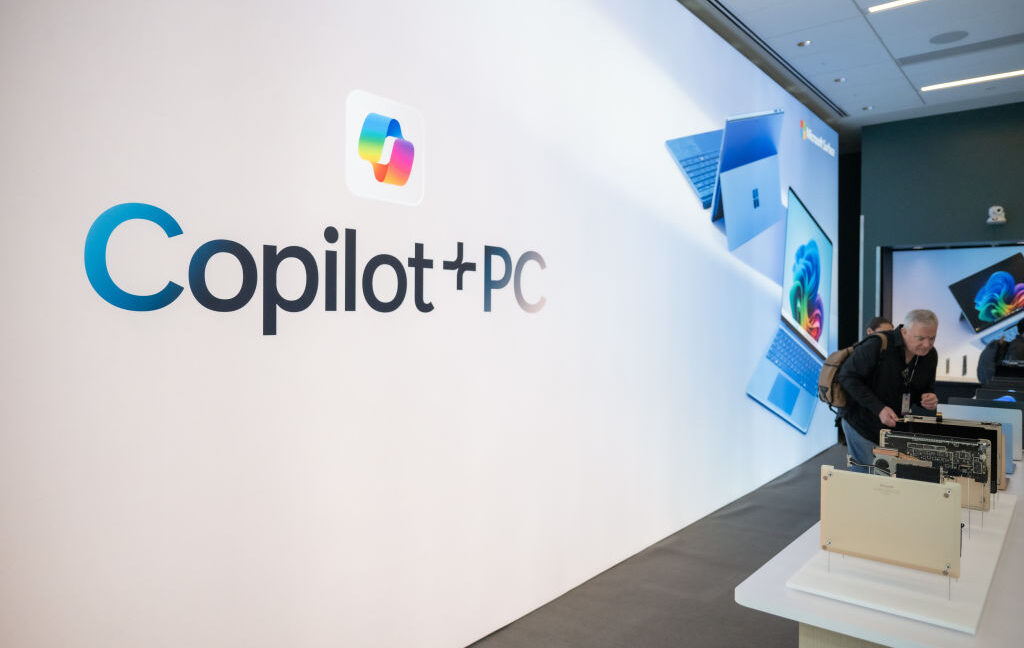
First up, Microsoft’s AI feature, Copilot, is raising eyebrows due to potential security vulnerabilities. The company itself warns that Copilot Actions, when integrated into Windows, could create opportunities for malware to infect machines and even steal data. While the feature is currently off by default, the long-term implications of such a risk are concerning. It raises a critical question: how can we ensure the AI tools we use daily are secure and not gateways for malicious actors?
AI in the Spotlight: Google's Chatbot Faux Pas, Microsoft's 'Agentic OS', and Gaming Controversies
Today’s AI news cycle is a mix of cautionary tales and ambitious visions. We’re seeing the real-world consequences of imperfect AI, Microsoft’s bold plans for AI integration, and ongoing debates about AI’s role in creative fields like video games.

First, a stark reminder that AI isn’t infallible: Google had to pull its Gemma model from its AI Hub after it falsely accused a Republican senator of a serious crime. This incident underscores the urgent need for safeguards and quality control as AI systems become more integrated into public life. These “serial liar” chatbots, as Futurism aptly puts it, can have real-world consequences, especially when dealing with sensitive information.
AI Agents Invade Windows and Controversy Swirls Around AI in Gaming: Today's AI Lowdown

Today’s AI news covers a wide spectrum, from the integration of AI agents directly into our operating systems to ongoing debates about the ethical implications of AI in the gaming industry. Buckle up, because the lines between human and machine are getting blurrier by the day.
Microsoft is making a bold move by evolving Windows 11 into what they’re calling an “agentic OS.” This means integrating AI agents directly into the operating system, giving users access to secure, sandboxed AI assistants. As reported by Windows Central, these agents will exist in their own secure sessions, allowing users to share data and control them as needed. This could revolutionize how we interact with our computers, turning Windows into a proactive partner rather than just a passive tool. It raises important questions about data privacy and control, but the potential for increased productivity and personalized experiences is undeniable.