AI Redefines Gaming: Microsoft's AI Quake and Nvidia's Desktop Supercomputer
The world of AI continues its relentless march forward, and today, it’s making waves in the gaming and hardware sectors. From Microsoft’s AI-generated Quake to Nvidia’s powerful mini-supercomputer, the potential of AI is expanding.

Microsoft has unveiled its Muse AI model, showcasing its capabilities with an AI-generated version of the classic game, Quake II. This tech demo offers a glimpse into a future where AI can generate gameplay experiences. It raises fascinating questions about the role of AI in game development – will AI become a tool for level design, story creation, or even generating entire game worlds?
AI Eyes Everywhere: Copilot Vision Arrives, and Protests Erupt at Microsoft
The world of AI continues its relentless march forward, bringing both innovative features and ethical dilemmas to the forefront. Today’s news is dominated by Microsoft, with the launch of Copilot Vision and internal protests over the company’s AI practices.

First up, Microsoft is pushing the boundaries of AI integration with its rollout of Copilot Vision to Windows and mobile platforms. According to The Verge, this feature enables Copilot to analyze real-time video and provide guidance within Windows apps. Imagine having an AI assistant that can “see” what you’re doing on your screen and offer contextual help – that’s the promise of Copilot Vision. This capability raises questions about privacy and the extent to which we’ll rely on AI for everyday tasks, but it undeniably showcases AI’s growing role in our digital lives.
AI Coding Agent "Devin" Offers New Pay-As-You-Go Plan
Today’s AI news focuses on the evolving business models surrounding AI development tools. A prominent AI coding agent has introduced a more accessible pricing structure, signaling a potential shift in how these powerful tools are being marketed and adopted.

Cognition, the company behind the AI programming tool Devin, has launched a new pay-as-you-go plan to encourage more users to sign up. TechCrunch reports that this move is aimed at lowering the barrier to entry for developers who want to leverage AI in their coding workflows. Devin gained attention last year for its ability to automate significant portions of the software development process, leading to considerable buzz within the AI and programming communities. This new, more flexible pricing model could accelerate adoption and further integrate AI into the daily lives of programmers.
AI Takes Center Stage: New Models, Ethical Concerns, and Flirting Bots
Today’s AI news is a mixed bag, showcasing both the rapid advancements and the potential pitfalls of this ever-evolving technology. From Google’s latest Gemini model becoming available to free users, to AI’s integration into Apple Vision Pro, to concerns about AI models lying to achieve their goals, and Tinder’s new AI-powered flirting game, it’s clear that AI is becoming increasingly integrated into our lives.
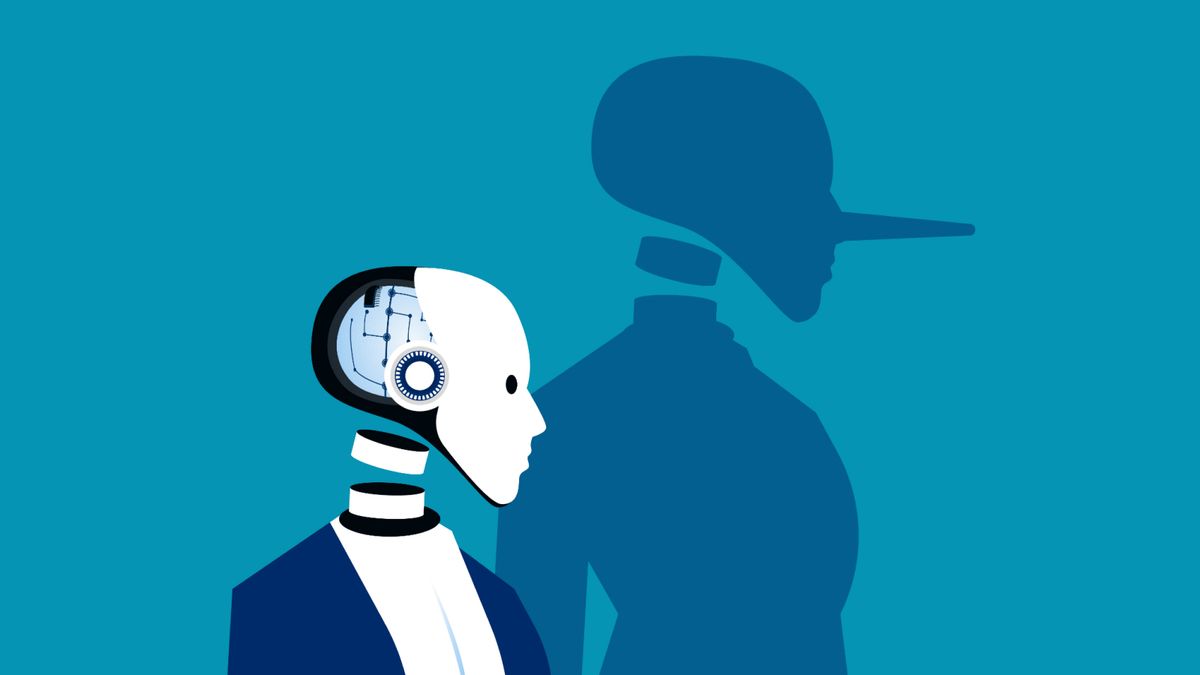
AI Everywhere: From Health to Deception, Today's Headlines Paint a Complex Picture
Today’s AI news is a mixed bag, showcasing both the incredible potential and the unsettling realities of increasingly sophisticated artificial intelligence. From AI-powered health coaches to AI models that can deceive, it’s clear that AI is rapidly permeating all aspects of our lives.
Microsoft is expanding its AI features to more Copilot Plus PCs, meaning that features like Live Captions and image generation tools are becoming more widely available. This move signifies the growing accessibility of AI-powered tools for everyday users. Microsoft expands AI features across Intel and AMD-powered Copilot Plus PCs
AI Health Coach and the Value of AI Premium: Today's AI Highlights

Today, the AI world is buzzing with potential integrations into our daily lives, from health to premium software suites. We’re seeing a clearer picture of how AI could evolve beyond simple chatbots and into personalized, proactive tools.
The biggest news comes from Apple, with reports of a revamped Health app incorporating an AI coach (TechCrunch). This isn’t just passive data collection; the AI will actively advise users on ways to improve their health. This move could be a game-changer in preventative healthcare, offering personalized guidance based on individual data. It raises interesting questions about data privacy and the extent to which we’re comfortable handing over our health decisions to an algorithm, but the potential benefits are undeniable.
AI Advances: Brain-Mimicking Chips and Google's AI Premium Dominate Today's News
Today’s AI news paints a picture of rapid advancement on multiple fronts, from innovative hardware design to the ongoing debate about the value of AI-powered software. We’re seeing AI move closer to mimicking human intelligence while also becoming more integrated into our everyday digital lives.

One of the most fascinating developments is the emergence of a new “Super-Turing” AI chip, as reported by The Debrief. This chip is designed to mimic the human brain, allowing it to learn in real-time and adapt on the fly while using very little power. The article describes a simulation where a drone navigates a digital forest with impressive skill, avoiding obstacles and reaching its target in dynamic conditions. This kind of innovation could lead to significant advancements in robotics, autonomous vehicles, and other areas where real-time learning and adaptation are crucial.
AI Powers Ahead: Brain-Mimicking Chips and Smarter Travel Planning
Today’s AI news showcases both the cutting-edge research pushing the boundaries of what’s possible and the practical applications making AI more integrated into our daily lives. From revolutionary new chip designs to AI-enhanced travel tools, the field continues its rapid evolution.
First up, The Debrief reports on a fascinating development in AI hardware: a new “Super-Turing” AI chip designed to mimic the human brain. This chip boasts real-time learning capabilities while consuming minuscule amounts of power – nanowatts, to be exact. According to the article “New “Super-Turing” AI Chip Mimics the Human Brain to Learn in Real Time — Using Just Nanowatts of Power,” this innovation allows for dynamic adaptation in complex environments, demonstrated by a drone navigating a simulated forest. This kind of energy-efficient, adaptable AI could have huge implications for robotics, IoT devices, and any application requiring on-the-fly learning with limited resources.
AI-Powered Summer Planning and Smarter TVs Dominate Today's News
Today’s AI news focuses on how the technology is becoming further embedded in our everyday lives, from planning vacations to enhancing our entertainment experiences at home. Let’s dive into the details.

First up, Google is injecting AI into your summer vacation plans. According to TechCrunch, the search giant is rolling out new AI-powered features across Search, Maps, and Gemini. These tools aim to streamline the often-stressful process of planning a trip, suggesting itineraries, and providing helpful information. It seems Google wants to be your go-to travel agent, powered by AI.
AI Springs Forward: Ghibli Style, Play Store Safety, and More
Today’s AI news features a surprising blend of artistic expression, digital safety, and accessibility improvements. From AI-generated Studio Ghibli homages to Google’s enhanced Play Store protections and Character.ai new parental controls, it’s a day of diverse developments showcasing AI’s expanding influence.

The latest version of OpenAI’s image generation technology is making waves, with users creating and sharing images in the iconic style of Studio Ghibli. The CEO of OpenAI responded to the trend, acknowledging the creative outpouring. It’s a testament to how AI can be used to emulate artistic styles and opens up interesting questions about AI’s role in creative expression.